

You have a takeaway container, chicken bones, a drink bottle, and a shopping bag on your last night in Seoul. Putting everything into one bag is not a useful shortcut. Start with the accommodation’s instructions: the correct collection place, designated bags, and timing depend on the district and building.
Source check: October 2, 2026. The classification examples below use Seoul’s published food-waste guidance, dated 2020, and indexed material from its 2024 living guide. They are not a verified schedule for your address or a nationwide rulebook. Ask the host or district about current local instructions.
Ask these questions on arrival, not at checkout
- Which bags or containers should I use for general waste and food waste?
- Are the correct bags already supplied? If not, where should I obtain them?
- Where is this building’s recycling and waste collection point?
- Which days and times can I put bags out?
- Do you want me to take waste out before checkout, or leave separated items in a specified place?
Save the reply. A neighbor’s pile of bags is not an instruction for your building, and an Airbnb cleaning fee does not tell you what the host expects you to do. Ask for a photograph of the permitted collection point if the written address is unclear.
Three groups to keep separate
\n
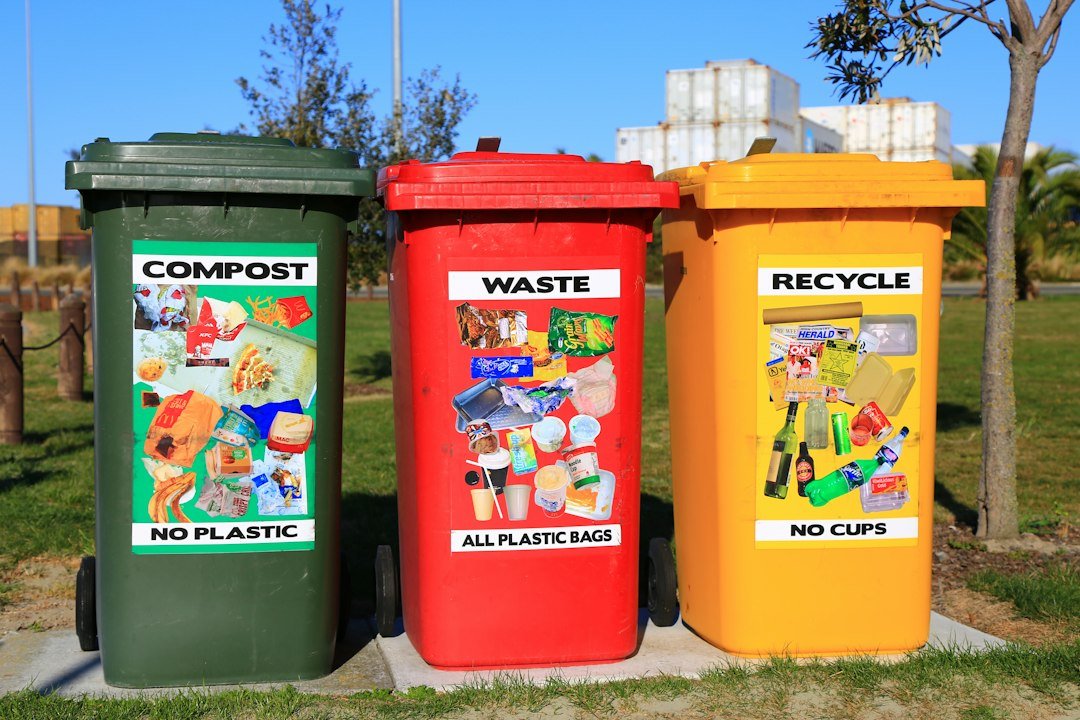
Seoul’s 2024 living guide, as available in indexed text, describes general waste, food waste, and recyclable materials, with designated waste bags and district-dependent disposal schedules. We could not retrieve the entire large PDF through our research viewer, so this guide does not certify a current bag price, collection day, or detailed rule for your district.
For a short stay, set up temporary separate containers as instructed by the host. Keep liquids out of the dry recycling group, separate food scraps from their packaging, and avoid packing mixed rubbish into a bag whose contents you can no longer identify. If the accommodation uses a communal food-waste system, ask how guests are supposed to access it.
Not every kitchen leftover belongs in food waste
\n
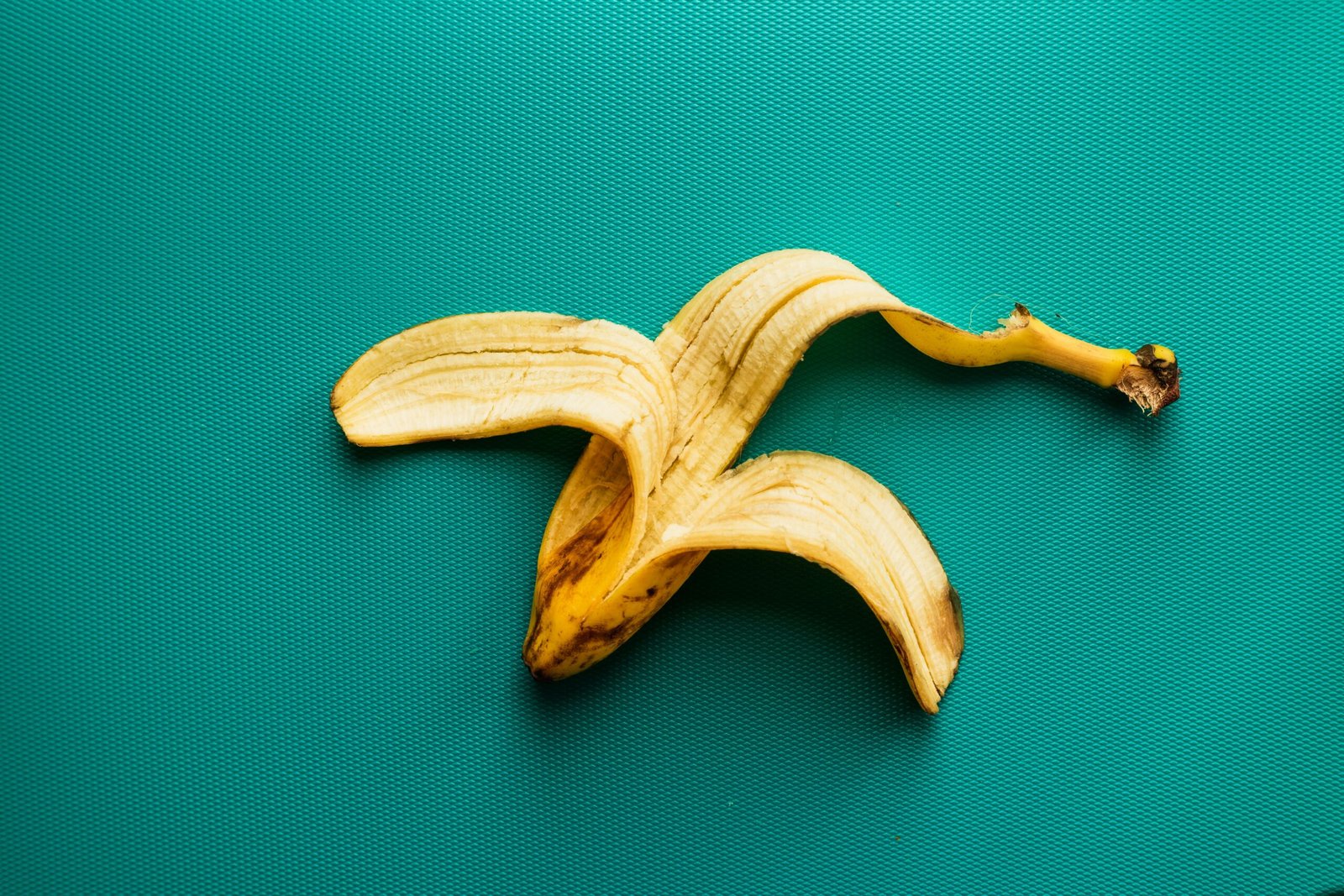
Seoul’s published food-waste standard recommendation excludes animal and fish bones, shellfish shells, eggshells, hard fruit stones, certain tough vegetable skins, and tea grounds from the food-waste stream. Plastic, foil, and utensils must also be separated. Its stated reason is that unsuitable material interferes with food-waste processing.
The same guidance says to remove excess moisture and foreign material before disposing of food waste in the designated system. The important distinction is not “did this come from food?” but “does the local food-waste system accept this material?” If a current building notice conflicts with an old general guide, ask the host or district to clarify.
Work through a takeaway meal
Illustrative sorting exercise, not a universal local collection instruction:
- Separate remaining edible food from bones and packaging.
- Put accepted food scraps into the host’s specified food-waste container or bag.
- Keep chicken bones out of that food-waste stream, following Seoul’s classification example.
- Empty the drink bottle and identify its material and the building’s recycling category.
- Check the takeaway container: remove food residue and follow the local instructions for that material and condition. A recycling symbol does not guarantee every contaminated container is accepted.
- Ask about unclear pieces rather than placing them into a random street bin.
Do not force glass, sharp objects, batteries, or electronics into ordinary waste based on this example. Ask for the appropriate separate disposal process. The purpose is to solve a small holiday waste problem, not to replace a district’s complete recycling manual.
Use a message your host can answer quickly
“Before checkout, please confirm which bags I should use for general waste and food waste, where to leave recycling, and whether I should take them outside. Could you send the collection-point photo and allowed time? I am unsure about [item].”
Send the question privately to your host. Local Korean Guide has not contacted them and cannot authorize access to a locked collection area. If you cannot locate the correct area, ask before leaving bags at a station, storefront, or another building.
Make less waste in the first place
Bring a reusable shopping bag, avoid ordering more food than you can eat, and decline disposable extras you do not need where that option is available. Seoul’s 2026 waste-reduction update describes continuing efforts to reduce household waste. These small travel habits also mean fewer items to sort on your final morning.
If you are still choosing accommodation, our Seoul and Busan area guide can help with location planning; confirm the property’s housekeeping and waste instructions separately. For meal planning, see the dietary ordering guide.
Before you lock the door: waste is separated, the collection arrangement is confirmed, and nothing is left in an unapproved public space. Which item was hardest to classify?
Illustration: AI-assisted artwork created for Local Korean Guide. It depicts a general travel scenario, not a documentary photograph or an actual app screen.