

A blank train search is not the same thing as a sold-out KTX. Before changing your hotel or paying a reseller, identify what failed: the date, the station pair, the seat search, the website, or the payment. Each points to a different next step.
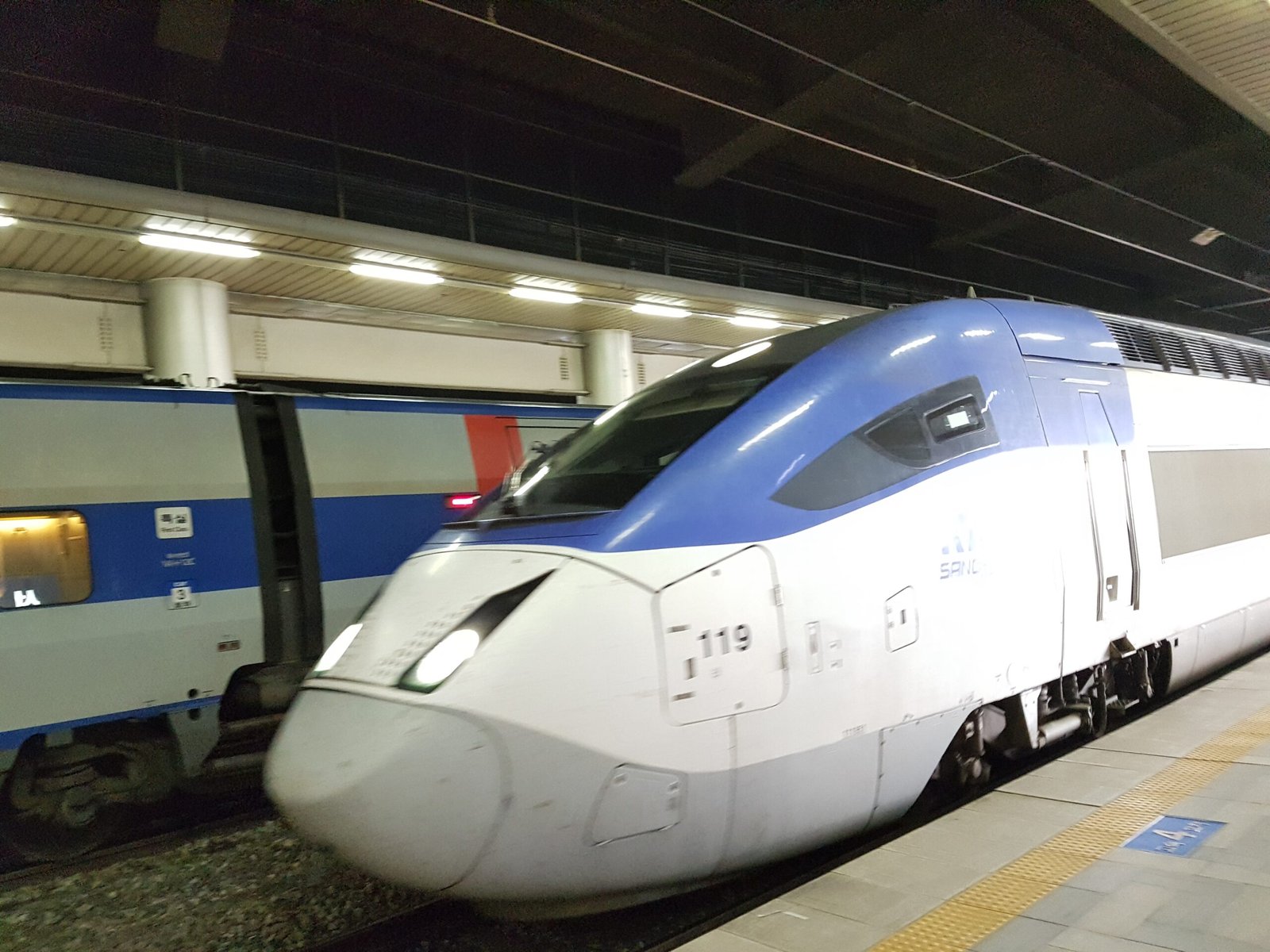

Source check: October 2, 2026. KORAIL’s indexed official guidance and notices were available, but some live booking/help pages returned a service-access notice in our research environment. We have not verified live seat availability, checkout, or a new timetable-release date for your journey.
Work through this decision list
- Is the date open for sale? Check the operator’s current announcement and booking calendar. Do not label a journey sold out merely because it is beyond the available date range.
- Are the departure and arrival stations correct? Select the actual station names from the booking interface. A city name in a travel plan is not always the station you need.
- Does the search show trains without available seats? That is different from displaying no services at all. Widen the time range and check what the operator actually reports.
- Does the page itself fail? Try the operator’s recommended browser rather than an embedded social-media browser. Do not interpret an access error as evidence that tickets are gone.
- Did payment fail? Check whether a ticket was issued before making another purchase. Keep any error message and reservation reference for customer support.
Booking windows and holidays are different questions
KORAIL’s indexed official international site describes a normal advance window of one month starting at 07:00. Treat the live calendar and dated notices as the final check: a timetable change or special sale can make a generic window insufficient. We could not independently complete a live booking-window test on October 2.
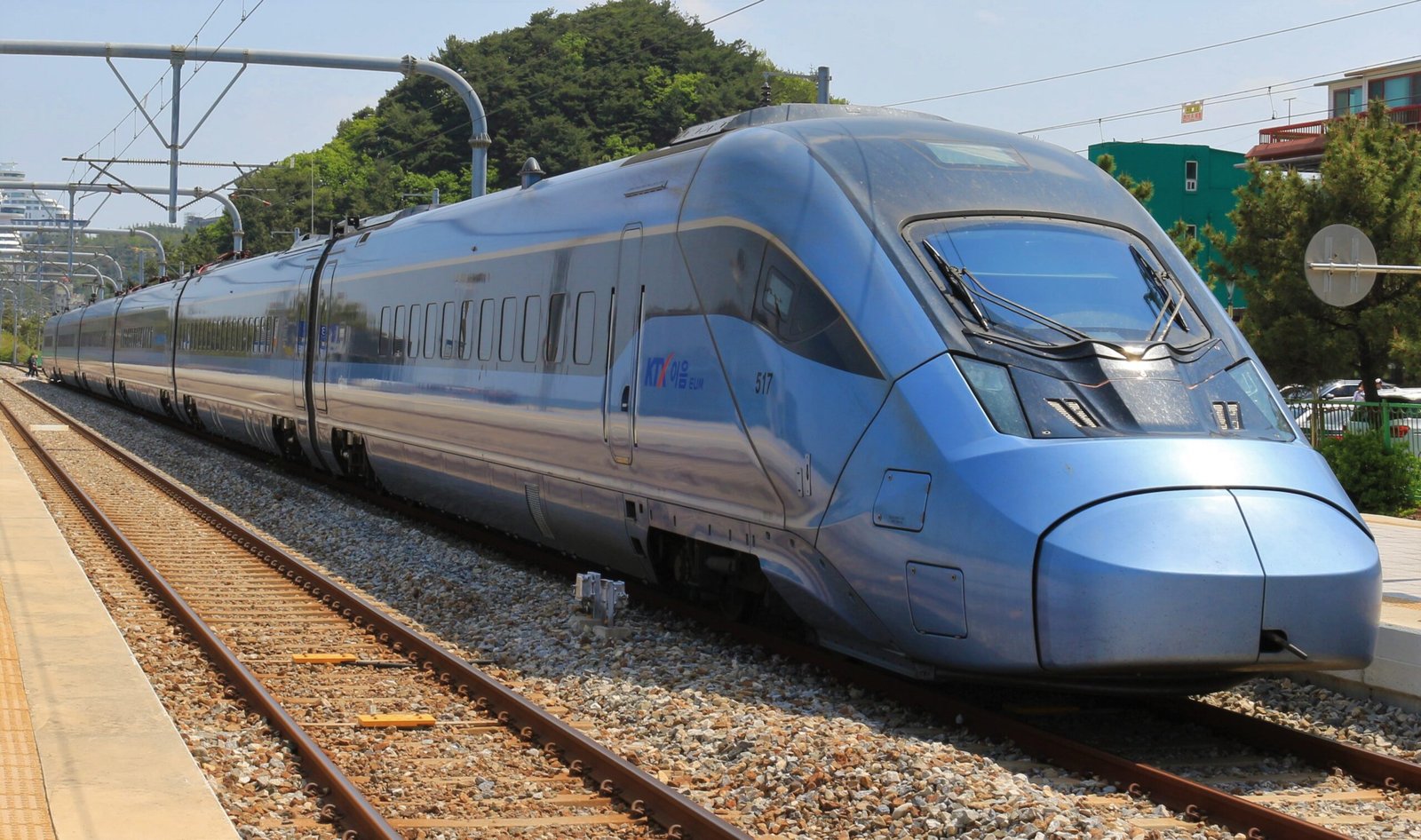

The operator’s 2026 Seollal notice demonstrates why holiday travel needs a separate check: it had route-specific sales, a remaining-ticket opening time, and a payment deadline. Those January and February dates are historical examples, not instructions for a future holiday. Find the notice for your own travel period.
Build the backup in the right order
- First, change time: compare an earlier or later service that still fits your accommodation and onward travel.
- Then, compare stations: use only a station actually served in the current search. Add the cost and time of reaching it; a distant station can erase the benefit.
- Then, compare transport modes: check a current express/intercity bus or domestic flight option. Look at total door-to-door time, terminal location, luggage rules, and the last connection—not just the headline fare.
- Finally, change the itinerary: if the journey is optional, an extra night or a different day may be more sensible than a stressful multi-leg workaround.
Our KTX, flight, or bus comparison covers the wider choice. This guide is for recovering a failed train plan, not another general ranking of transport modes.
Do not buy a rail pass as a seat guarantee
KORAIL’s pass FAQ, available in indexed official text during our research, distinguishes buying a pass from making a seat reservation through My Ticket. A pass purchase does not establish that a seat is available on your preferred train. Read the current pass conditions and cancellation terms before buying; do not assume it resolves a sold-out service.
Similarly, do not plan around standing, waiting-list, or onboard-purchase arrangements until the operator confirms the exact train, ticket type, and your eligibility. Another traveler’s experience on a different train is not a boarding entitlement.
Leave a margin for an important flight
For a hypothetical afternoon flight, an alternative train that arrives at the city station shortly before airline check-in closes is not a safe plan simply because its timetable looks fast. Add local transport, luggage collection, terminal transfer, and a disruption buffer. Our Incheon departure guide explains the airport stages. No fixed buffer fits every airline and route.
Save the issued ticket and its conditions after purchase. Check the date, station pair, train, passenger details, and seat information before considering the problem solved. Rechecking later may show changed availability, but cancellations are not guaranteed. If your trip depends on that train, secure a workable alternative rather than refreshing indefinitely.
Question to answer before asking for help: Are trains missing, seats unavailable, or payments failing? Include the station pair and date, but never post your card details or full ticket barcode.
Illustration: AI-assisted artwork created for Local Korean Guide. It depicts a general travel scenario, not a documentary photograph or an actual app screen.