

“DMZ tour” can describe different itineraries. Before booking, check named sites, transport, identity requirements, and whether a stop needs separate authorization. A broad listing title does not tell you what will be open on your date.
Quick facts
- A “DMZ tour” and a JSA/Panmunjeom visit are different; JSA visits go only through approved agencies
- KTO’s guide (updated February 2025) reported non-Korean citizens were not being admitted to JSA as of July 2024 — get current eligibility from the operator in writing
- A passport is required to enter DMZ sites beyond the Civilian Control Line
- Your booking name must match your ID; ask whether the original document is required
- Before paying, confirm named stops, departure point and what happens if a security closure changes the route
- Last checked: October 10, 2026

Sources checked October 10, 2026. Security conditions and tour access can change at short notice.


Read the itinerary by stop name
Some trips focus on an observatory or tunnel; Panmunjeom/JSA is a separate, more restricted experience. The Korea Tourism Organization says Panmunjeom visitors must travel with approved tour agencies. Do not assume a standard Paju tour includes it.
| Booking label | What it may cover | Before you pay |
|---|---|---|
| Regional DMZ/Paju tour | Named regional stops such as Imjingak, an observatory or a tunnel; routes vary by operator/date. | Check each stop, departure point, passport/ID instructions, access zone, and closure/cancellation terms. |
| JSA/Panmunjeom tour | A distinct, restricted visit; it is not implied by “DMZ tour.” | Ask a currently authorized operator whether it runs and whether your nationality may join on your date. |
KTO’s DMZ guide (last updated February 2025) says JSA visits are handled separately through UNC-approved agencies and reports that non-Korean citizens were not being admitted as of July 2024. That dated note is not a live October 2026 access decision. Do not plan around JSA unless the operator confirms current eligibility and operation in writing. KTO also says a passport is required to enter a DMZ site beyond the Civilian Control Line (CCL); follow the chosen operator’s current document instructions.
Bring required identification
VISITKOREA advises visitors to bring legitimate identification and/or a passport for DMZ visits. Follow the operator’s exact instructions and make sure the booking name matches your document. Ask whether an original is required; do not assume a phone photo is sufficient.
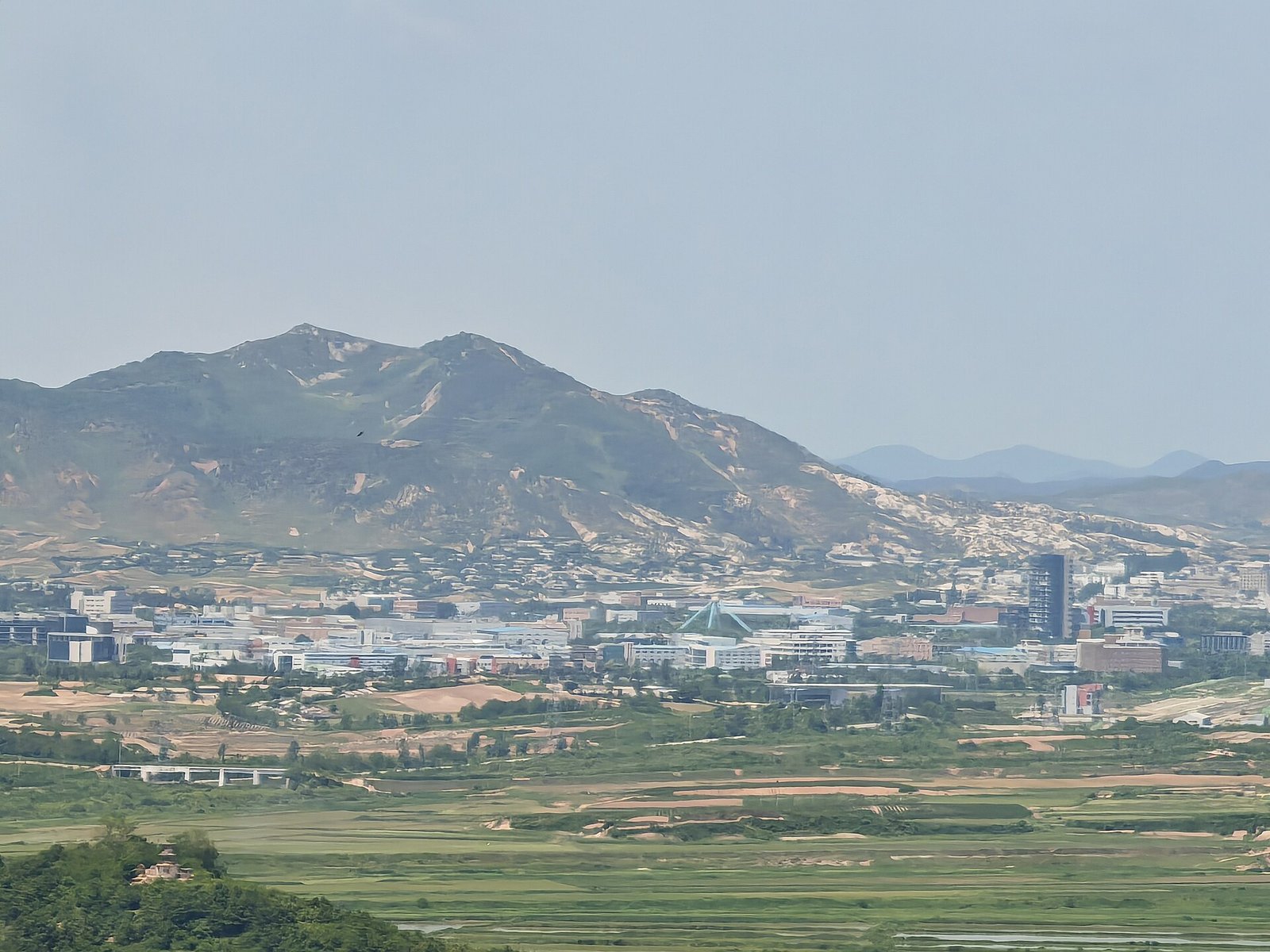

Confirm before paying
- Departure point and meeting time.
- Which named sites are included and how long each stop lasts.
- Required identification and passenger details.
- What happens if a security closure changes the route.
- Cancellation terms if a stop is unavailable.
Still choosing an excursion? See our Seoul day-trip comparison. No operator inventory or live security status was checked.
Official sources: VISITKOREA, DMZ Tours and Panmunjeom visitor information. Checked October 10, 2026.