
For a solo trip to Seoul, do not choose between a “capsule” and an apartment by the room photograph alone. The useful question is: which booking gives you the sleep, arrival support, privacy and social contact you actually need? A capsule can still share bathrooms and sound; a private room in a guesthouse can offer social space; an entire apartment can be inconvenient if your late arrival depends on one unanswered message.
- Compare the room you are buying, not the label
- Choose three non-negotiables before comparing prices
- Want company? Check the common space, not just the dorm
- Make the first-night arrival work on paper
- Compare the full stay, with one simple calculation
- Use official discovery tools without mistaking them for a guarantee
- A message to send before you book
This is a booking checklist, not a ranking of properties we have stayed in. Official program and booking-policy information was checked October 25, 2026. There are no live price or availability claims, and no individual accommodation has been inspected or endorsed.
Compare the room you are buying, not the label
| Format | Consider it when | Verify before paying |
|---|---|---|
| Hostel dorm bed | You accept a shared sleeping room and want opportunities to meet other travelers | Room occupancy, mixed or single-gender layout, locker size, quiet hours and bathroom arrangements |
| Capsule or pod | You want an individual sleeping enclosure but can accept shared facilities | Whether it is a real private room, closure type, ventilation, luggage space and sound separation |
| Private guesthouse room | You want your own sleeping space with the possibility of shared common areas | Private versus shared bathroom, host availability and common-area access |
| Hotel room | You prioritize a private room and a clearly documented arrival process | Actual reception hours, private bathroom, room size, baggage storage and total price |
| Apartment-style rental | Kitchen or laundry facilities materially improve a longer stay | Exclusive use of the unit, legal registration where applicable, check-in support, cleaning duties and cancellation terms |
These are decision prompts, not promises about every business. “Guesthouse” does not automatically mean sociable, “hotel” does not guarantee a round-the-clock desk, and “capsule” is not a substitute for the actual room description. Open the room-type details and check that the rate applies to one guest, one bed or the entire room as intended.

Choose three non-negotiables before comparing prices
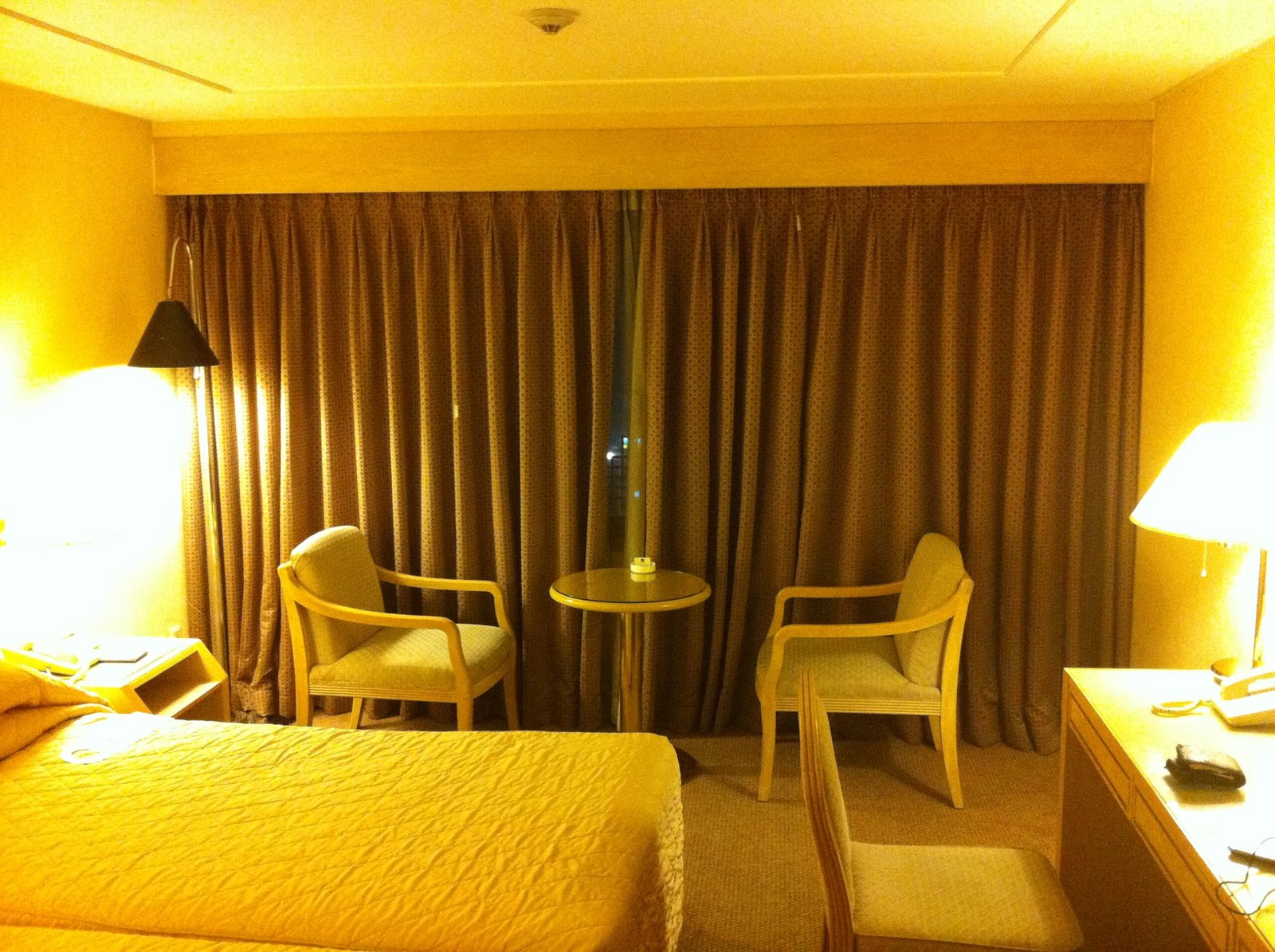
Write down the three conditions that would make a booking unusable. A light sleeper might choose a private sleeping room, a quiet-hours policy and a window away from nightlife. Someone arriving after midnight might choose written late-check-in instructions, a working contact number and an affordable backup hotel. A remote worker might need a usable desk, an explicit Wi-Fi specification and a place to take calls without disturbing others.
Then treat those as pass-or-fail filters. A cheaper bed that fails a non-negotiable is not a saving. If you have several quiet sightseeing days followed by a nightlife weekend, you can also split a stay—but account for checkout time, luggage movement and the loss of an afternoon rather than assuming switching is free.
Choose the neighborhood separately. Our Seoul neighborhood comparison covers area trade-offs. This article concerns the accommodation format and booking conditions, not another list of the same districts.
Want company? Check the common space, not just the dorm
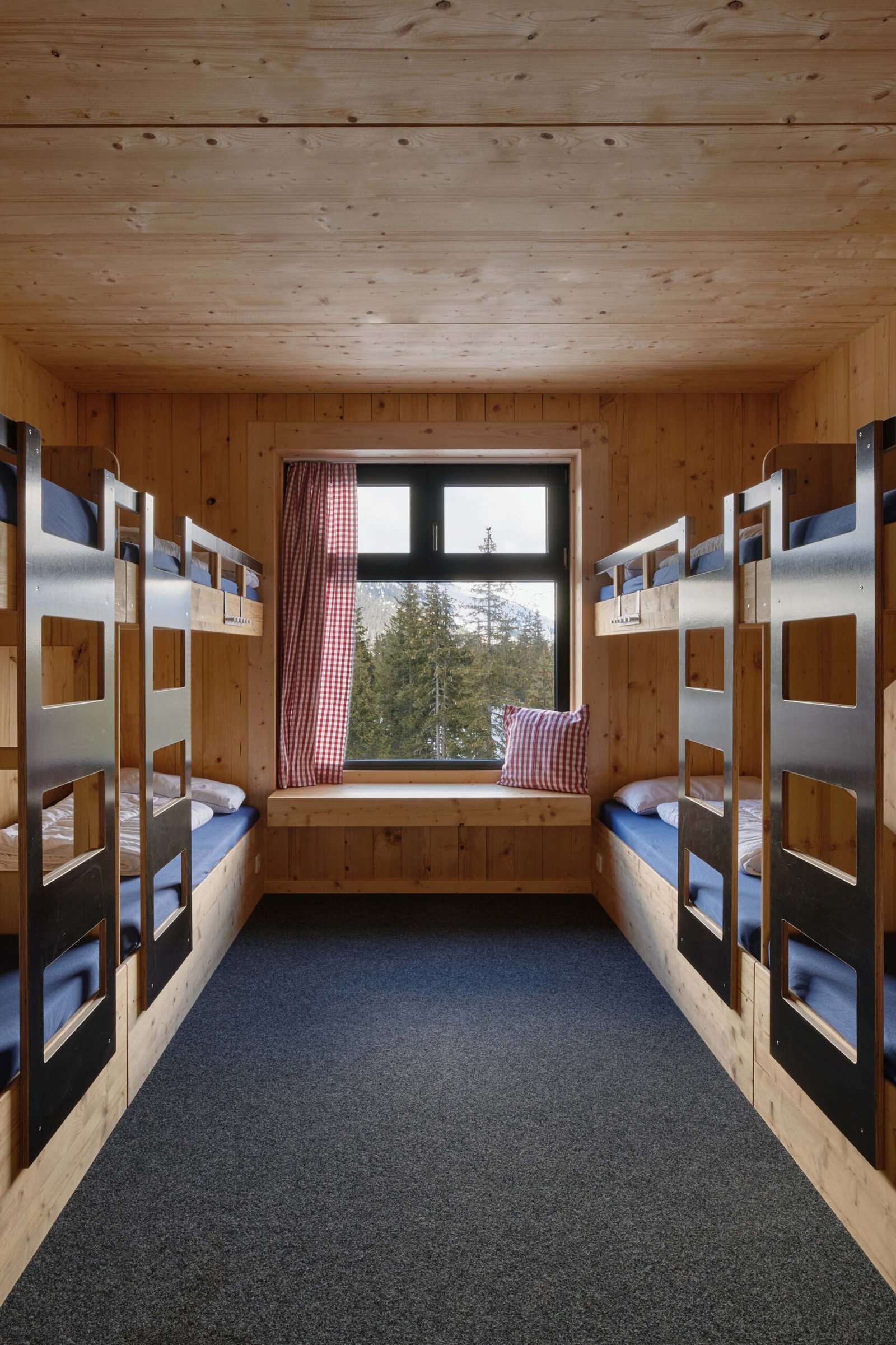
Sharing a bedroom does not guarantee conversation. Look for recent reviews that describe a usable lounge, a communal table, organized activities or staff who introduce guests. Check whether those facilities are available during your dates and whether participation has an extra charge. A listing photo of a bar is not a current event calendar.
If you want to meet people but sleep alone, a private room in a social property may be worth comparing with a dorm. Alternatively, book a private room elsewhere and join an independently arranged daytime activity. Keep the social decision separate from the sleeping decision; you do not need to buy the loudest room to avoid traveling alone.

Make the first-night arrival work on paper
Before booking, send your likely arrival window in Korea time, including immigration, baggage and the onward journey—not just the flight’s landing time. Ask what happens if you arrive an hour later. Is there a staffed desk, a key box, a keypad, or a message that must be received over mobile data? Save the Korean address and offline instructions before departure.
Do not assume you can enter the room early after an overnight flight. Confirm baggage storage separately from room access, and whether storage is available after checkout. For a flight after the last convenient train, compare the real transfer plan using our late-night airport arrival guide. A modest room-price difference can disappear if the route requires an unplanned taxi.
Compare the full stay, with one simple calculation
Use this comparison: total amount payable for the stay ÷ number of nights, then add costs that differ between options, such as paid laundry or an extra transfer. Do not add a cleaning fee twice if it is already included in the displayed total. Compare the same dates, guest count, currency and cancellation conditions.
For illustration only, a four-night booking totaling ₩240,000 costs ₩60,000 per night. A second booking totaling ₩220,000 looks cheaper, but an extra ₩30,000 in transport makes its comparable trip cost ₩250,000. These are arithmetic examples, not Seoul market rates. Refundable and non-refundable prices are different products; a lower headline price is not a fair comparison if your dates are uncertain.
Airbnb’s guest help page says cancellation policies vary by listing. Read the exact deadline and local time on the booking before paying. Do not assume a Korean-specific policy found in a search result applies to every overseas visitor or every reservation.
Use official discovery tools without mistaking them for a guarantee
Seoul Stay explains its registered Urban Stay and Hanok Stay categories and identifies properties participating in the city’s tourism-support program. This is a useful way to cross-check an accommodation’s identity; it is not a promise of availability, step-free access, your preferred room or a particular refund outcome. Match the property name and address, not just a copied badge.
For other hotel options, the Seoul Metropolitan Government accommodation page provides official background and hotel information. Neither inclusion on a booking platform nor an attractive photograph alone establishes the registration status of an apartment. If the listing’s identity or permitted guest eligibility is unclear, ask the operator for clarification and choose a verifiable alternative rather than guessing the legal position.
A message to send before you book
I am traveling alone and expect to arrive at approximately [time] KST. Please confirm: is this a private room or one bed in a shared room, is the bathroom private, how do I check in if delayed, can my suitcase fit in the room or locker, and what is the full cancellation deadline for this rate? Is there an elevator or any unavoidable staircase from the street to the room?
For a capsule, add questions about enclosure, ventilation and where you change clothes. For a dorm, ask about locker dimensions and whether you supply the lock. For an apartment, ask whether the washing machine and kitchen are inside your exclusive unit or shared, and what cleaning or waste-sorting tasks are expected. Our Seoul rental waste guide covers those checkout questions.
Final check: save the booking confirmation, room type, all-in price, cancellation deadline, arrival instructions and written replies together. This guide cannot verify a property’s present cleanliness, safety systems, soundproofing or registration. Use recent room-specific evidence and contact the operator when an answer would change your choice.