
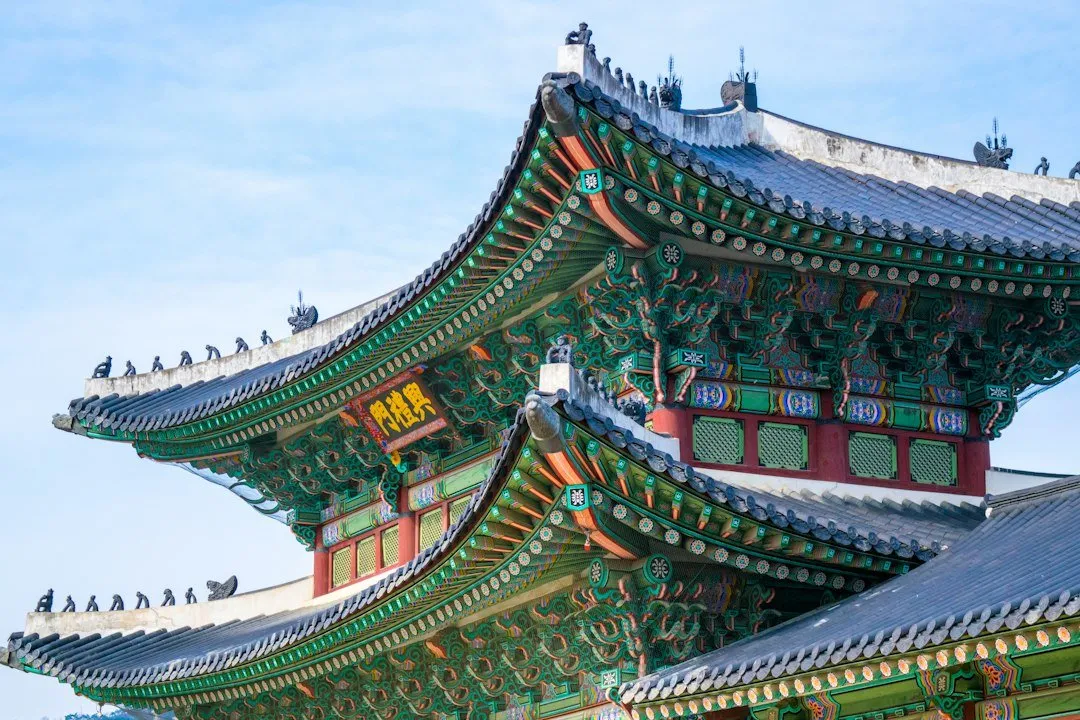
A Korean templestay is not one fixed itinerary. Programs differ by temple and date: some are short cultural visits, while others include an overnight stay and scheduled activities. Choose the format before booking transport.
Quick facts
- One-day program: about two to three hours (temple tour, meditation or tea)
- Experience-oriented overnight: typically one night, often on weekends, with a fixed monastic schedule
- Seoul one-day options include Jogyesa (tea program) and Bongeunsa (Tuesday drop-in)
- Rooms are usually shared; men and women are not roomed together
- Most temples provide only soap, toothpaste and the uniform — bring towels, toiletries and socks
- Last checked: October 25, 2026
Sources checked October 10, 2026. The temple’s program page gives its current dates and conditions.
Choose one-day or overnight
The official Templestay FAQ says a one-day program normally takes about two or three hours and may include a temple tour, meditation, or tea. Overnight schedules vary and can include meals, ceremonies, and etiquette orientation. Read the exact listing.
| Program type (official labels) | What it usually involves | Good fit if… |
|---|---|---|
| One-day | About two or three hours: temple tour, meditation, tea | You have a half-day in a city and no overnight plans |
| Experience-oriented | Typically one night, often on weekends: morning chanting, 108 prostrations, formal Buddhist meal, meditation, sometimes a craft such as a lotus lantern | You want the structured monastic schedule |
| Rest-oriented | Overnight with free time; optional ceremonies and meditation | You want quiet more than a full timetable |
In Seoul, the official program list currently includes one-day options at city temples such as Jogyesa (a tea program) and Bongeunsa (a Tuesday drop-in program), so a first taste does not require travelling to the mountains. Listings change; open the program page for the date and price.
Book through the official directory
Search the English Templestay program list by date and region. Check language, arrival time, accommodation, participation requirements, and cancellation rules. Contact the temple before paying if you have dietary or accessibility needs.
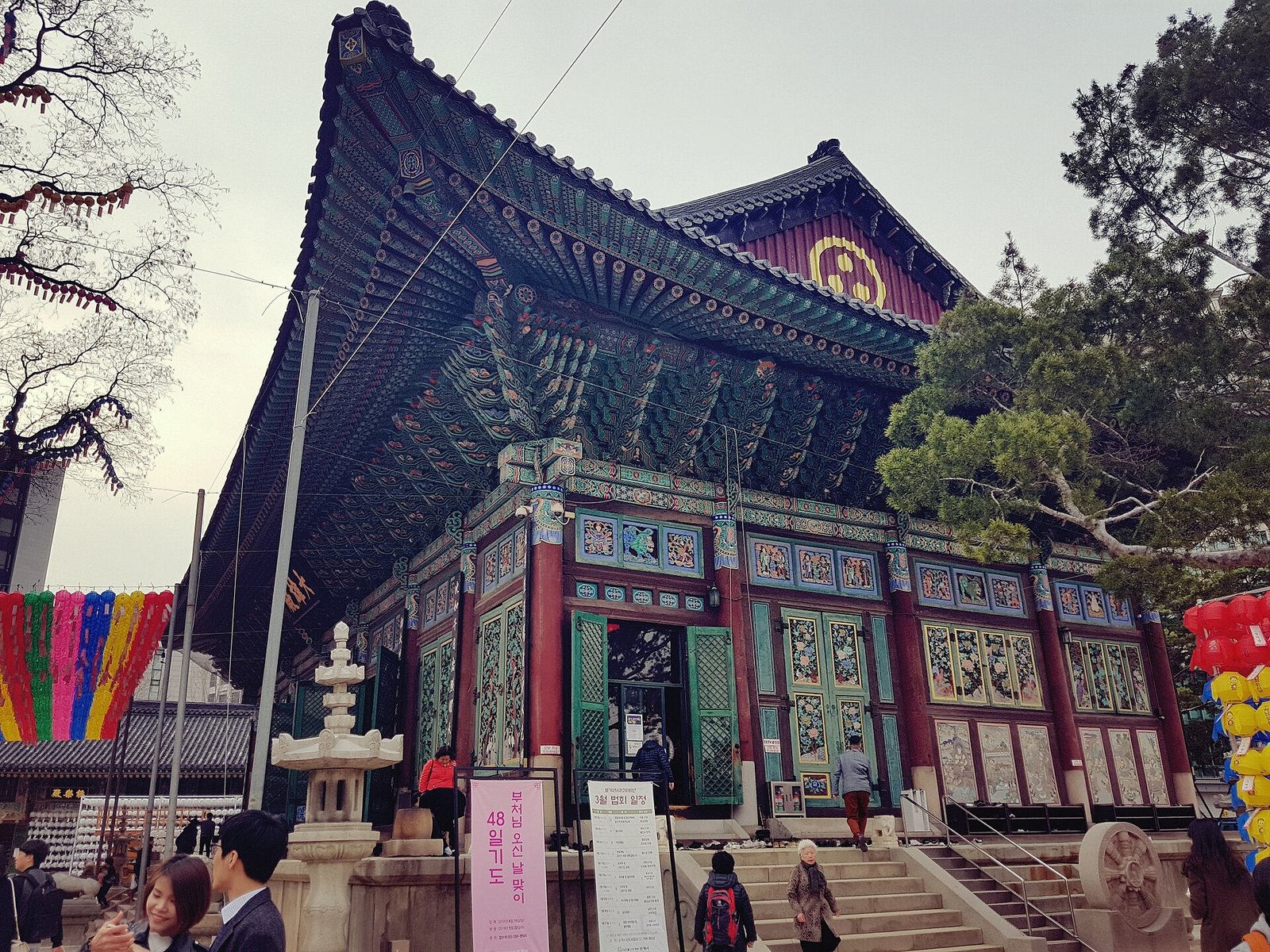

Prepare for the setting
- Arrive at the temple office at the stated time.
- Wear comfortable, modest clothing and follow uniform instructions.
- Keep voices low near prayer halls and follow the host’s directions.
- Plan onward transport around the published end time.
Rooms, rules, and what to pack
- Rooms are usually shared. The official FAQ says temple life is communal; some temples offer private rooms for two to four people for an extra per-person fee.
- Couples are not roomed together. The FAQ says men and women may not stay in the same room.
- You may skip a session. If you are unwell or tired, tell the staff and rest.
- Pack your own basics. Most temples provide only soap, toothpaste, and the temple uniform; bring towels, toiletries, socks, a change of clothes, and warm layers in winter.
- Confirmation emails vary. Temples keep their own reservation lists; if no confirmation arrives, email the temple or support@templestay.com with your booking name, date, and temple.
A templestay is a structured cultural and spiritual program, not simply a hotel night. Activities may change. We did not check availability for a specific date.
Official sources: Templestay What is Templestay, FAQ, and the official program finder. Checked October 25, 2026.