
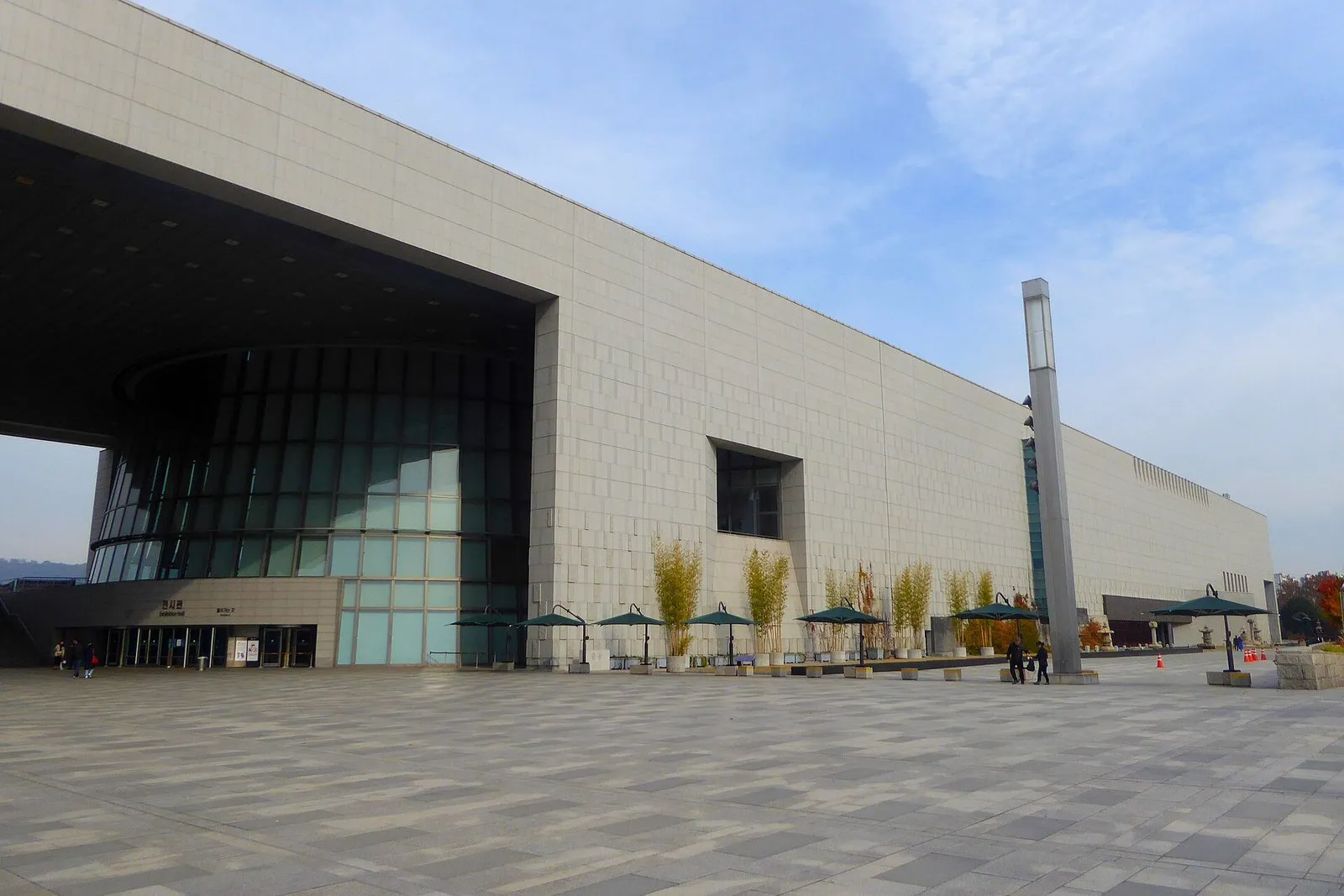
Rain in Seoul? Choose one museum, not a cross-city checklist. Pick the National Museum of Korea for a longer museum-focused visit in Yongsan; choose the Seoul Museum of History when you want to understand the city around you and keep the rest of the day near Gwanghwamun. Their different Monday rules matter more than which building looks better in a photo.
- Which museum fits your day?
- National Museum of Korea: give yourself a focused half-day
- Seoul Museum of History: understand the city you are walking through
- Two half-day plans that do not rush across Seoul
- A five-minute check before leaving your accommodation
- Quick questions
- Sources and verification limits
Quick facts
- National Museum of Korea: 09:30–17:30; Wednesday and Saturday until 21:00; permanent galleries free
- It closes January 1, Lunar New Year’s Day and Chuseok; galleries also close the first Monday of March, June, September and December
- Seoul Museum of History: free, 09:00–18:00 (last admission 17:30), closed Mondays and January 1
- Children’s Museum: online booking only, opening 14 days ahead at 00:00
- From Ichon Station Exit 2, the Museum Nadeulgil underground walkway is open 07:00–23:00
- Last checked: October 24, 2026
Official visitor information checked October 24, 2026. This is a desk-researched planning guide, not a first-person visit report. Suggested durations are our planning estimates; live crowd levels, booking checkout and step-free routes were not tested.
Which museum fits your day?
| Your priority | National Museum of Korea | Seoul Museum of History |
|---|---|---|
| What to build the visit around | A museum-focused half-day exploring Korean cultural heritage | The development of Seoul, from the Joseon capital to the modern city |
| Where you will be | Yongsan; Ichon Station | Jongno; near Gwanghwamun and Seodaemun stations |
| Suggested time budget | About 2–3 hours inside, longer for a special exhibition | About 90 minutes–2 hours inside |
| Admission baseline | Permanent galleries free; paid special exhibitions separate | General admission free; check individual programs |
| Monday decision | Not routinely closed every Monday; check the specific closure dates below | Normally closed on Mondays; verify any holiday exception |
| Best pairing | One nearby meal and time to linger | A central-Seoul meal; an optional outdoor stop only if weather improves |
Our recommendation: if you are already near Gwanghwamun and only have two hours, the Seoul Museum of History is the more practical first choice on an open day. If the museum itself is your main event, give the National Museum of Korea a generous block. These are itinerary judgments, not quality rankings.
National Museum of Korea: give yourself a focused half-day
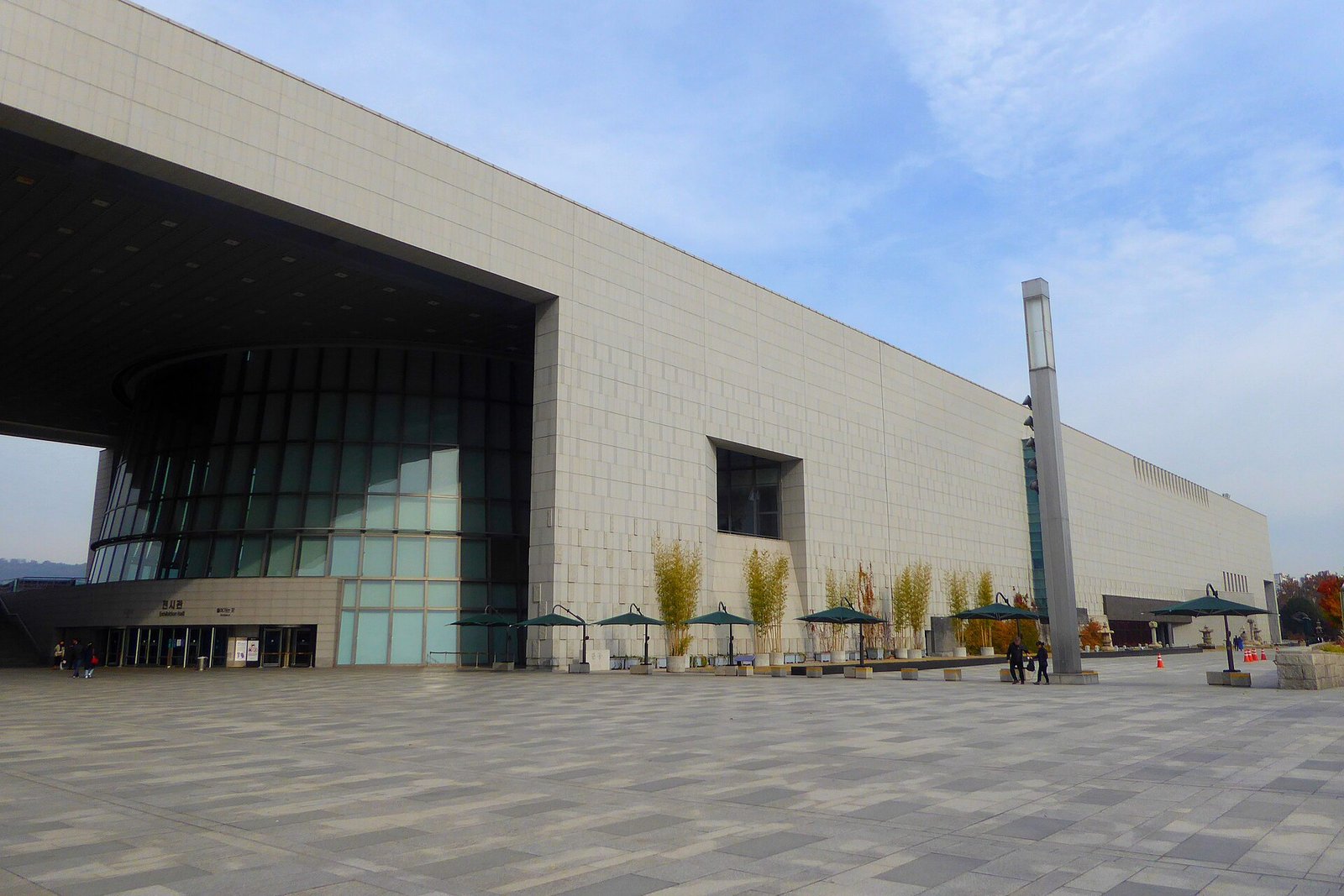

The museum’s visitor page lists 09:30–17:30 on Monday, Tuesday, Thursday, Friday and Sunday; Wednesday and Saturday run until 21:00. Entry ends 30 minutes before closing. Permanent galleries are free, while some special exhibitions are paid.
January 1, Lunar New Year’s Day and Chuseok are closure dates. The permanent and special galleries also close on the first Monday of March, June, September and December; the official page notes a March 2026 exception. Do not apply the familiar “all museums close Monday” shortcut here. Check notices for your exact day.
Choose one period or material that interests you, then add one contrasting gallery. A manageable goal might be comparing how an object was made, what it was used for and what its decoration meant. Reading every label is not a requirement. Leave time to ask the information desk which galleries are temporarily unavailable rather than relying on an old room-by-room route.
The rain-aware approach from Ichon
The official directions identify Ichon Station on Line 4 and the Gyeongui–Jungang Line. They describe Exit 2 and the Museum Nadeulgil underground connection, listed as open 07:00–23:00. Use the signed museum route; bring an umbrella for the remaining approach rather than assuming the whole journey is enclosed. Elevator information points toward Exits 1 and 2. For a step-free journey, confirm current lift operation before travelling.
Search 국립중앙박물관, address 137 Seobinggo-ro, Yongsan-gu. Do not accidentally select the National Museum of Korean Contemporary History, a different museum near Gwanghwamun. If the English search returns the wrong building, use our Naver Map search troubleshooting guide.
With children: free does not mean walk-in
The Children’s Museum reservation rules require online booking and say there is no on-site ticketing. Individual reservations open 14 days ahead at 00:00; include toddlers under 36 months. Adults must accompany children, and adults without children cannot use this as a general exhibition. A reservation is cancelled if you have not entered within 30 minutes of the session start. Check the current conditions and availability before promising this activity to a child; we did not test the booking checkout.
If no session is available, shorten the main-gallery visit to match your child’s attention span. That is a fallback plan, not an equivalent hands-on program. Keep a meal or rest break outside the gallery visit instead of attempting to fill an entire wet afternoon indoors without a pause.
Seoul Museum of History: understand the city you are walking through
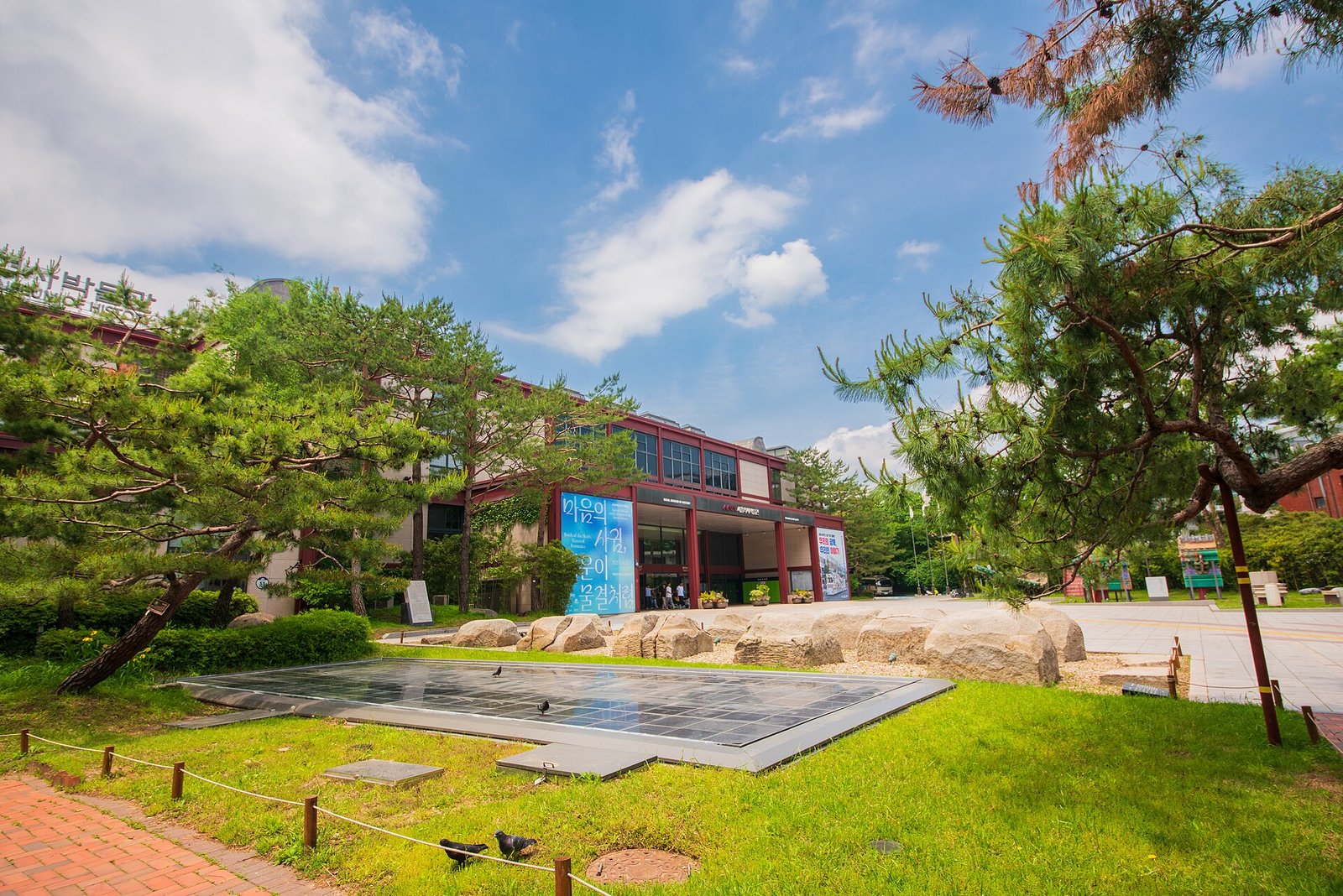

The museum’s permanent exhibition outline follows Seoul through the Joseon capital, Korean Empire, Japanese colonial period and Republic of Korea, with a section on the city’s present and future. Choose this when you want context for palaces, older neighborhoods and the changes visible between them, rather than another outdoor photo stop.
Visitor information lists free entry, 09:00–18:00 and last admission at 17:30, with Mondays and January 1 closed. It also advertises a Friday extension to 22:00. An official tourism listing mentions a separate autumn extension period, so confirm the date-specific notice before planning an evening visit; the example below deliberately uses daytime hours.
Search 서울역사박물관, address 55 Saemunan-ro, Jongno-gu. The official subway guide gives approximately 470m from Gwanghwamun Station’s Exits 6, 7 or 8, and 600m from Seodaemun Exit 4. Its walk times are estimates, not promises for a rainy day. Choose the route with less exposed walking from where you actually are; an exit number alone does not verify step-free access.
The visitor page lists first-floor lockers, stroller and wheelchair loans, and English audio guidance. That does not guarantee an empty locker or available loan item. Ask at the desk if these are essential, and leave large luggage with your accommodation when possible. See our Seoul luggage-storage guide for a separate bag plan.
Two half-day plans that do not rush across Seoul
These are editorial time budgets, not museum-led programs or measured journey times. Start later if needed, but keep the same buffer before last admission.
Plan A: museum-first, Yongsan
- 10:00–10:20: arrive, manage wet umbrellas and coats, check the floor map and any closures.
- 10:20–11:20: explore your first chosen gallery or theme.
- 11:20–11:35: take a proper break outside the exhibition space.
- 11:35–12:20: choose a second area rather than racing through everything.
- After 12:20: lunch and reassess the weather. Add more museum time only if the group wants it.
Plan B: a shorter city-history visit, central Seoul
- 10:00–10:15: arrive at the Seoul Museum of History and choose the periods you want to understand.
- 10:15–11:30: follow the permanent exhibition story, slowing down where it connects with places on your itinerary.
- 11:30–12:00: finish with one more section or a break, depending on your energy.
- After 12:00: eat nearby. Treat a palace or neighborhood walk as optional, not a commitment in heavy rain.
Why not both? These are different neighborhoods, not two galleries in one complex. A transfer costs attention as well as travel time: coats on, wet pavement, station navigation and another entrance. If you genuinely want both, check the live route and accept a longer museum day. Do not use a fixed taxi estimate or assume a dry, continuous indoor connection between them.
A five-minute check before leaving your accommodation
- Correct building: save the Korean name, address and return route offline.
- Correct day: check closure notices and last admission, not only the headline closing time.
- Correct ticket: separate permanent galleries, paid exhibitions and reserved children’s sessions.
- Bag and access needs: ask about lockers, lifts or loan equipment if your day depends on them.
- Weather fallback: remove outdoor gardens, palace walks and photo stops if conditions deteriorate.
Budget separately for transport, food and any optional ticket even when admission is free. A museum visit can keep the day useful without turning it into an unplanned shopping day, but “free museum” does not mean a zero-cost outing.
Quick questions
Which is safer to plan on a Monday?
Start by checking the National Museum of Korea’s date-specific closures. The Seoul Museum of History normally closes Mondays. Neither rule overrides an exceptional closure notice.
Can I take photographs inside?
Follow signs and staff instructions at each exhibition. The National Museum of Korea prohibits flash, tripods, selfie sticks and gimbals; commercial filming or photography requires advance written permission. Permission to enter a gallery is not permission to photograph every exhibit or use an image commercially.
Should I keep my palace booking?
Check that ticket’s change conditions before switching plans. If your purpose is indoor shelter, a palace courtyard is not an interchangeable alternative. Use our Seoul palace comparison when you are ready to rearrange the outdoor day.
Sources and verification limits
Checked October 24, 2026: National Museum of Korea hours, fees and visitor rules, subway directions and Children’s Museum reservations; Seoul Museum of History visitor information, subway guide and permanent exhibition overview. For the autumn evening-hours discrepancy, see the official Visit Seoul listing and reconfirm the museum’s notice.
We did not verify same-day queues, every gallery’s availability, live lift status or booking completion. The schedules above are planning suggestions, not personal experience. Photographs show the credited capture dates, not today’s weather or operating conditions. Photo-source licenses were checked individually; separate venue or personality-rights permissions are not implied, and no institutional endorsement is claimed.